Commercial Moves in Shoreditch
When a business needs to relocate in one of London’s busiest and most fast-moving districts, planning matters just as much as muscle. Commercial moves in Shoreditch often involve tight streets, mixed-use buildings, shared access points, limited loading space, busy trading hours, and the need to keep disruption to a minimum. Whether you’re moving a creative studio off Redchurch Street, an agency workspace near Old Street, a café fit-out close to Hoxton, or a small office tucked behind Brick Lane, the right moving service can make the difference between a smooth transition and a stressful shutdown.
Shoreditch is a unique part of East London. It’s full of converted warehouses, modern office suites, co-working spaces, retail units, hospitality venues, and start-up environments that often need moving support at short notice. A local commercial removals team understands how to work around building managers, loading restrictions, delivery windows, and the pressure of keeping staff, stock, and equipment safe. If you need a reliable service that respects deadlines and keeps your relocation organised, this page explains what to expect and how to prepare.
From office relocations and shop moves to multi-floor business transitions and internal reconfigurations, commercial moving services in Shoreditch should be tailored to the building, the street, and the way your business operates. A good move is not just about transport; it’s about coordination, protection, timing, and clear communication from start to finish.
Why businesses in Shoreditch need a specialist moving service
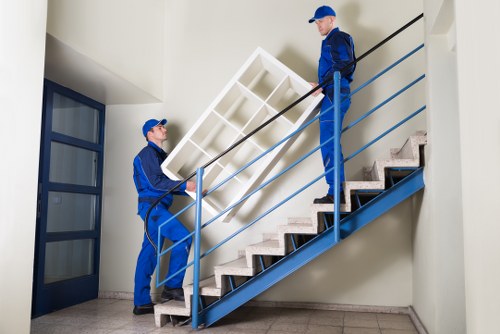
Shoreditch is not like a quiet suburban business park where vans can pull up with ease and everyone has room to breathe. It has narrow roads, heavy foot traffic, frequent deliveries, cyclists, and a mix of old and modern buildings that can make relocation planning more complicated. Businesses here often operate in spaces with stairs, lifts, shared entrances, and strict access times. That means a one-size-fits-all approach rarely works.
A specialist team handling commercial moves in Shoreditch knows how to adapt to these conditions. For example, a design agency moving from a top-floor office in a converted warehouse may need careful handling of monitors, desks, artwork, and filing systems. A retail business on a busy high street may need an early-morning or out-of-hours move so stock can be transferred without interrupting customers. A hospitality venue may need kitchen equipment, tables, shelving, and back-of-house items moved in the correct sequence so reopening is easier.
Local knowledge also matters for timing. In Shoreditch, arrival windows can be affected by traffic near Old Street, Shoreditch High Street, Bethnal Green Road, Kingsland Road, and the surrounding junctions. Choosing a team that regularly works in East London can help reduce delays and avoid avoidable problems on moving day. It also means the crew is more likely to understand the practical realities of the area, from parking to access control.
What our commercial moving service can include

Every company moves differently, so a good commercial removals service should be flexible. In Shoreditch, that might mean a small internal shift within the same building, a full office relocation across the area, or a staged move involving multiple departments. The goal is always the same: keep your operation moving while protecting your assets and keeping downtime as low as possible.
Typical services for business customers may include:
- Office furniture dismantling and reassembly
- Safe transport of desks, chairs, cabinets, and meeting room furniture
- Moving IT equipment, printers, and peripherals with care
- Relocating archives, documents, and storage items
- Retail stock handling and shop equipment transport
- Packing support for fragile or high-value items
- Internal office moves and space reconfiguration
- Business moves outside standard working hours where required
- Coordination for multi-site or phased relocations
Some businesses also need help with specialist commercial relocation tasks such as moving server cabinets, display fixtures, hospitality furniture, creative equipment, or branded installation materials. If your move has unusual items, it’s worth flagging them early so the right tools, vehicles, and handling approach can be arranged. Good preparation reduces risk and helps the move run more efficiently.
Commercial moves for offices, studios, shops, and venues

Shoreditch businesses are diverse, and so are their moving needs. Many local customers search for commercial moves Shoreditch because they need a service that fits a particular type of workspace. A software company has different concerns from a fashion showroom, and a restaurant has different priorities from a media studio.
Office moves are often about continuity. Workstations, monitors, filing systems, and communication equipment need to be moved in an organised way so staff can get back to work quickly. In many Shoreditch offices, buildings are shared or multi-let, so careful use of lifts, corridors, and loading bays is crucial. If your team works hybrid schedules, the relocation may need to happen in stages so the business keeps functioning during the transition.
Retail and showroom moves require attention to presentation and protection. Clothing rails, display units, mannequins, branded stock, and point-of-sale equipment all need secure handling. In a district like Shoreditch, where image matters and trading windows can be tight, it’s often important to move stock and fixtures without damaging the customer experience. Timing and care are everything.
For hospitality and venue relocations, the moving plan may include tables, seating, shelving, kitchen equipment, bar fixtures, storage items, and decorative features. These jobs often need early coordination with site managers, especially if access is shared with other businesses or residential units. Venues near Brick Lane, Hoxton, and the wider East London area often benefit from a team that understands how to work quickly and respectfully in busy environments.
How the moving process works

A well-organised commercial relocation should feel structured from the start. The process usually begins with a discussion about what needs to be moved, when the move needs to happen, and what kind of access is available at both locations. If your business operates in Shoreditch, this stage is especially important because the logistics can vary significantly from one building to the next.
Most customers benefit from a simple step-by-step approach:
- Initial planning – Identify the size of the move, the type of items involved, and any constraints such as lifts, stairs, access times, or parking restrictions.
- Survey and preparation – Assess the premises, list key items, and decide whether packing, dismantling, or specialist handling is needed.
- Scheduling – Choose a moving date and time that reduces disruption, especially for customer-facing businesses.
- Packing and protection – Wrap or secure equipment, label contents, and prepare fragile items or confidential materials.
- Move day – Load, transport, and unload efficiently with care for the building, the items, and the surrounding area.
- Set-up and placement – Reassemble furniture where needed and place items in the correct rooms or zones to support a quick restart.
This kind of process is valuable because it keeps everyone aligned. Staff know what is happening, equipment is less likely to go missing, and the move becomes more manageable. For local businesses that cannot afford a long shutdown, that sense of order is often just as valuable as the transport itself.
Why a local Shoreditch company can be the right choice

There are practical advantages to using a local team for commercial moves in Shoreditch. The most obvious is familiarity with the area. Shoreditch streets can be congested, and different buildings may have different entry systems, delivery arrangements, or restrictions on when vehicles can stop nearby. A local mover is more likely to know how to plan around those conditions.
Another benefit is responsiveness. If your business needs a fast turnaround, it helps to have a crew that regularly operates in East London and can be on-site without long travel delays. This can be especially useful for last-minute office changes, urgent stock moves, or changes to the move date caused by building access issues.
Local support can also help reduce confusion when there are multiple stakeholders involved. In Shoreditch, many properties include landlords, managing agents, co-working operators, concierge staff, or building security teams. A commercial removals company that understands these environments can communicate more effectively and keep the move aligned with site requirements.
Customers often choose a nearby team because it feels simpler. You’re not dealing with a company that treats your move like a generic transport job. You’re working with people who understand the pace of Shoreditch, the mix of old and new properties, and the need to keep disruption low for surrounding tenants, neighbouring businesses, and the public.
Shoreditch property types and access challenges
Commercial premises in Shoreditch vary enormously, and that has a direct impact on how a move should be handled. Converted warehouses may look spacious inside but still have awkward loading access. Modern office blocks may offer lifts and managed entrances but require booking in advance. Street-level retail units can be easy to enter yet difficult to serve because of foot traffic and parking limitations.
Typical access challenges include:
- Limited or time-restricted parking
- Narrow roads and busy junctions
- Shared loading areas
- Lift restrictions or small passenger lifts
- Stairs in older buildings
- Security checks or reception procedures
- Pedestrian-heavy streets around shops, cafés, and offices
- Delivery windows that must be respected
These factors do not make a move impossible, but they do mean planning is essential. A professional team will typically want to know where the vehicle can stop, whether there is a lift, how wide the corridors are, and whether any items must be handled by two or more people. This is especially important for bulky desks, large screens, filing cabinets, IT hardware, and any fragile or high-value equipment.
For commercial customers in Shoreditch, good access planning saves time and stress. It also helps protect your premises. Repeated trips through tight hallways without preparation can lead to scuffs, bumps, or delays. With the right approach, even a complicated site can be managed smoothly.
What to prepare before moving day
Preparation is one of the biggest factors in a successful business relocation. Even if you hire a skilled team, the move is easier when your staff are clear on what’s being moved, what stays behind, and what needs extra care. For busy Shoreditch companies, a small amount of preparation can make a major difference to timing and cost efficiency.
A useful preparation checklist may include:
- Label desks, rooms, and boxes clearly
- Back up important files and secure digital systems before the move
- Tell staff what they need to pack and when
- Separate essential items needed on day one at the new site
- Remove loose items from desks, shelves, and cabinets
- Flag fragile equipment, artwork, or specialist machinery
- Check access times, lift bookings, and parking permissions
- Inform landlords, building management, or reception teams if needed
If your business handles confidential paperwork, client files, or sensitive stock, it’s smart to create a clear chain of responsibility before the move. That way, nothing is left to guesswork on the day. Preparation is not just about packing; it’s about making the whole operation easier for everyone involved.
Some businesses choose to appoint an internal move coordinator. This person can act as the main contact for the moving team, helping with questions about room labels, priority items, and the order in which spaces should be emptied. That small step can reduce confusion and keep the process on track.
Pricing factors for commercial relocations
Business customers often ask what affects the cost of a move. Because every relocation is different, the final quote usually depends on several practical details rather than a one-size-fits-all rate. For commercial moves in Shoreditch, the key factors often include the size of the property, the amount of furniture or stock to be moved, access conditions, and the amount of time required.
Common pricing factors may include:
- Volume of items – More furniture, boxes, stock, or equipment usually means more time and a larger vehicle requirement.
- Access complexity – Stairs, narrow corridors, no lift access, or difficult parking can increase labour time.
- Distance – A move within Shoreditch may be different from a relocation to another part of London or beyond.
- Specialist handling – Fragile, oversized, or high-value items may require additional care or equipment.
- Time of move – Out-of-hours, weekend, or early-morning moves may need different scheduling arrangements.
- Packing and dismantling – If the team packs, unwraps, or reassembles furniture, this can affect the overall service scope.
Rather than focusing on a rough figure, it is usually better to request a quote based on your actual move. That way, you can compare the service level, the support included, and the timing requirements. A clear quote should help you understand what is included and where extra work might be needed.
What makes a move easier for business owners and managers
When a move is handled well, the process supports the business rather than interrupting it. For many Shoreditch customers, the real value lies in avoiding unnecessary downtime. This is particularly important for companies that deal with clients in person, run appointments, manage stock daily, or have staff who need access to their workspace at specific times.
A good commercial move should help you:
- Keep disruption to a minimum
- Protect desks, electronics, stock, and fixtures
- Move items in a logical order
- Reduce the risk of damage to walls, floors, and doorways
- Support a quicker restart at the new site
- Coordinate multiple people or departments more easily
For many companies, the biggest concern is continuity. Staff want to know they’ll be able to find what they need, customers want the business to reopen smoothly, and management wants a move that does not create more work than necessary. The right team helps bring structure to that process.
That is why local commercial relocation services are often chosen by independent businesses, agencies, studios, shops, and growing companies that need practical support rather than just transport. When the move is organised properly, everyone feels the benefit.
Areas covered around Shoreditch
A Shoreditch-based move often involves surrounding neighbourhoods as part of a wider East London operation. Businesses may be relocating between nearby areas or moving into Shoreditch from another part of the city. Local coverage commonly includes places such as:
- Hoxton
- Old Street
- Spitalfields
- Brick Lane
- Bethnal Green
- Whitechapel
- Haggerston
- Dalston
- Hackney
- Moorgate
This broader local reach matters because many businesses do not move just one street away. They may be shifting between commercial districts, combining office space with storage, or moving a customer-facing unit to a busier location. A team used to working across East London can manage those transitions more smoothly.
If your premises sit on a busy route or in a mixed-use building, it may also help to talk through the move early so access can be coordinated with the building itself. That is especially relevant for shared entrances, lift bookings, or loading arrangements near major commuter routes and retail streets.
Frequently asked questions
How far in advance should I book a commercial move?
It is usually sensible to book as early as possible, especially if your move involves a larger office, a busy building, or a specific date when access is limited. Some Shoreditch businesses need to move during a narrow time window, so early planning is helpful. If your move is urgent, it may still be possible to arrange a suitable time depending on availability.
Can you move businesses outside normal working hours?
Many commercial customers prefer early-morning, evening, or weekend moves so trading or office activity is not interrupted. This can be particularly useful for retailers, hospitality businesses, and teams that need to keep operations going during the week. It’s best to discuss your preferred timing when requesting a quote.
What if my building has no lift?
Many Shoreditch properties, especially older conversions and upper-floor offices, may not have lift access. That does not prevent a move, but it may affect the planning and the time needed. The moving team should know about stairs in advance so the right approach, equipment, and staffing can be arranged.
Do you handle IT equipment and office technology?
Yes, office moves often involve computers, monitors, printers, phones, and other essential equipment. These items should be packed and transported with care. If you have servers, specialist hardware, or items that need extra handling, make sure you mention them early so the move can be planned properly.
Can you help with packing and dismantling furniture?
Many business customers find it helpful to have support with packing, taking apart desks, and reassembling furniture at the new site. This can save staff time and make the relocation less stressful. If you want a fuller service, ask what is included so you know how much help will be provided.
Choosing the right service for your business
Not every commercial move requires the same level of support. A small studio may need a few hours of help moving equipment and boxes. A larger company might need a coordinated plan for multiple rooms, furniture systems, stock, and IT. The best service is the one that matches your building, your timeline, and the way your business works.
When comparing options for commercial moves in Shoreditch, look for practical signs that the team understands business relocation rather than only domestic removals. You want clear communication, careful handling, a sensible moving plan, and the ability to adapt to the realities of central and East London properties. A team that asks the right questions is usually a team that will manage the job properly.
Before you confirm anything, it helps to think through what matters most:
- Do you need full packing or just transport?
- Will you require furniture dismantling and reassembly?
- Are there access limits at either site?
- Do you need the move done out of hours?
- Are there fragile, bulky, or high-value items involved?
- Do you need help with internal setup after arrival?
Once those questions are clear, requesting a quote becomes much easier. You can provide accurate details and receive a service proposal that reflects your real needs rather than a generic estimate. That is the best starting point for a smooth relocation.
Ready to plan your Shoreditch business move?
If your company is preparing to relocate, downsize, expand, or reorganise its workspace, now is the time to start planning. Shoreditch moves often involve busy streets, limited loading space, and buildings that need careful handling, so a well-prepared approach will always help. Whether you are moving a small office, a retail unit, a studio, or a hospitality space, professional support can reduce pressure and keep the process moving.
With the right team, your relocation can be managed around your business needs, your building requirements, and the realities of the local area. That means less disruption for staff, better protection for your equipment, and a clearer path to getting set up again after the move.
Contact us today to discuss your relocation needs, request a free quote, or book your service now. If you want dependable help with commercial moves in Shoreditch, choose a local team that understands the area and the pace of business here.